



History of Chittagong Mezbani
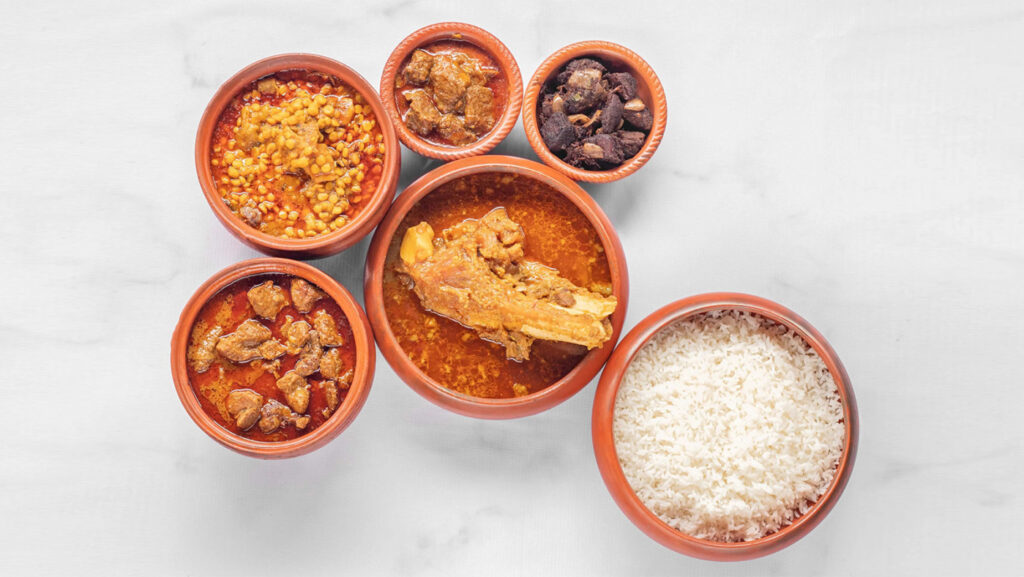
Exploring Chittagong’s Timeless Feast Tradition
The Mezban tradition is one of the most fascinating cultural narratives in Bangladesh, especially in the port city of Chittagong. Known for its rich flavors and deep-rooted customs, Mezban is widely considered one of the best examples of traditional hospitality Bangladesh has to offer. This unique feast reflects centuries of generosity, unity, and cultural pride.
In this detailed review, we explore the origins, evolution, and lasting importance of Mezban in shaping Chittagong food heritage and the broader Mezbani cultural heritage of Bangladesh.
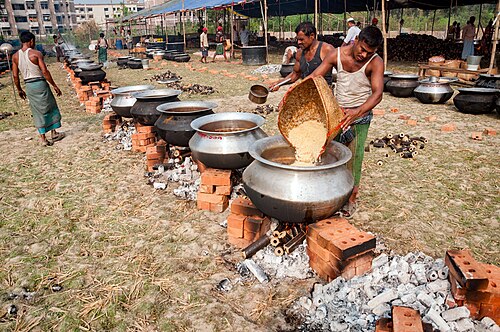
Origins and Early Traditions of Mezban
The origin of the Mezban feast can be traced back several centuries in Chittagong. Traditionally, wealthy families and community leaders organized large feasts to mark religious occasions, funerals, or significant life events. These gatherings were open to all, regardless of social or economic status, making them a true Bangladeshi community feast.
Early Mezbans were simple yet meaningful, focusing on sharing food and strengthening social ties. This laid the foundation for the Mezban tradition in Chittagong that continues today.
Importance in Chittagong Culture
Over time, the cultural significance of Mezban became deeply embedded in local identity. Mezban is not just a meal—it is a cultural symbol. Hosting a Mezban is seen as a matter of honor, reflecting generosity and respect.
Today, Mezban is recognized as a key part of cultural festivals in Chittagong, where communities come together to celebrate and connect.
The Evolution of Mezban Heritage Over Time
The Mezban heritage has evolved significantly from its humble beginnings. What started as small village gatherings has transformed into large, organized events often attended by thousands.
Modern Mezbans incorporate improved cooking techniques, professional catering, and structured arrangements. Despite these changes, the core values of sharing and hospitality remain unchanged—making it one of the best-preserved traditions in Bangladesh.
Mezban Tradition and Its Cultural Significance
The cultural importance of the Mezban tradition lies in its inclusivity. People from all walks of life sit together and share the same food, promoting equality and unity.
This aspect makes Mezban a powerful reflection of social harmony and an important part of Chittagong’s traditional food culture.
Role of Mezban in Community Bonding
One of the most valuable aspects of Mezban is its role in strengthening community bonds. These feasts bring together neighbors, relatives, and even strangers.
This Bangladeshi community feast encourages cooperation, mutual respect, and a strong sense of belonging—essential values in any society.
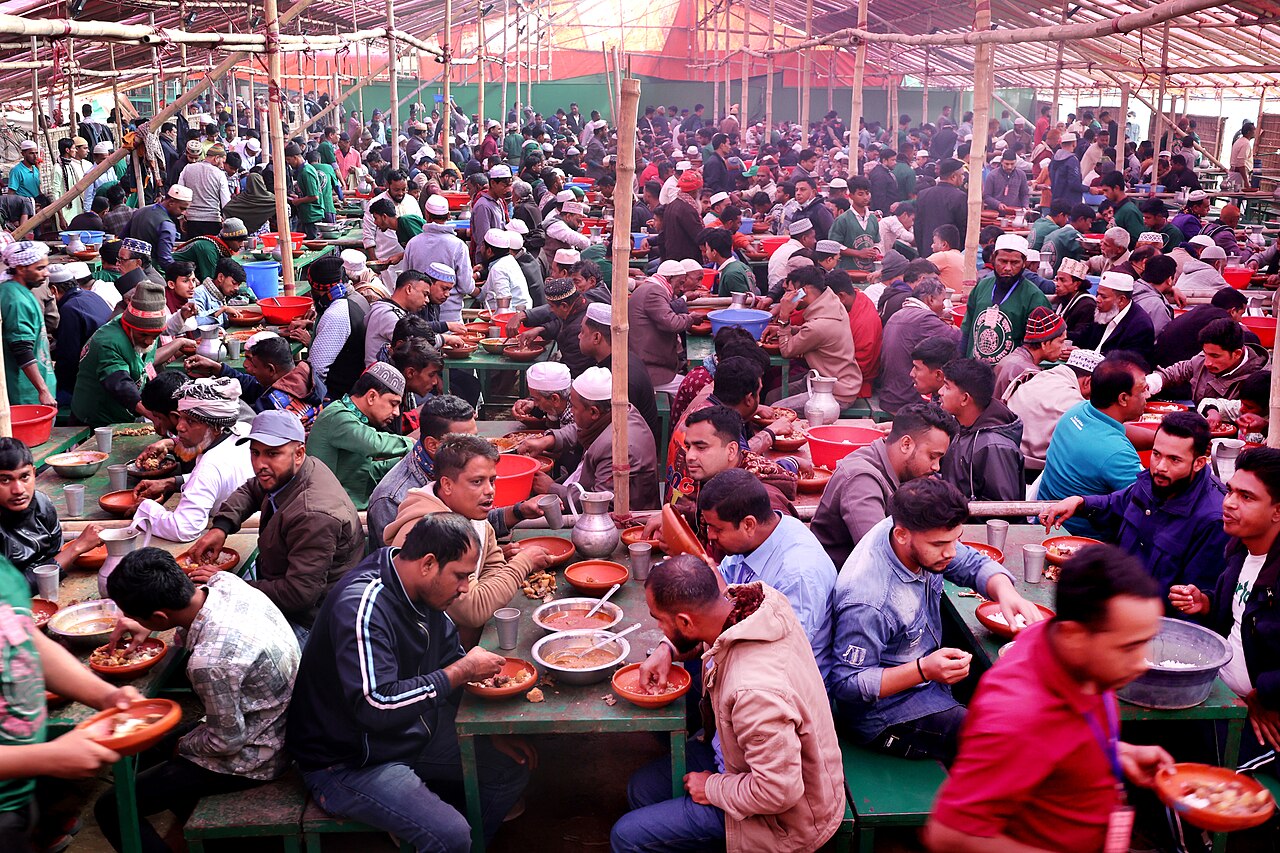
Mezban and Traditional Hospitality in Bangladesh
Traditional hospitality in Bangladesh is beautifully expressed through Mezban. Hosts go above and beyond to ensure every guest is welcomed and well-fed.
Generosity lies at the heart of this tradition, making Mezban a powerful example of cultural kindness and social responsibility.
From Rural Roots to Urban Practice
Originally rooted in rural areas, Mezban has successfully transitioned into urban life. Today, these events are common in cities, especially in Chittagong.
Even in modern settings, the essence of the Mezban tradition remains intact, blending old customs with new practices.
What is Mezban Beef?
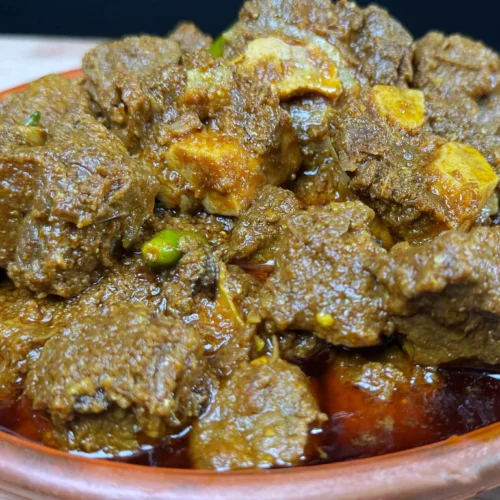
No discussion of Mezban is complete without mentioning its signature dish—Mezbani beef. This spicy and flavorful curry is the highlight of every feast.
Cooked slowly with traditional spices, it represents the best of Chittagong’s traditional cuisine and continues to attract food lovers across Bangladesh.
Religious Influence on Mezban Tradition
Religion has played a significant role in shaping the Mezban tradition. In Islamic culture, feeding others is considered a noble act of charity.
Many Mezbans are organized as acts of goodwill and remembrance, reinforcing spiritual values alongside cultural traditions.
The Modern Story of Mezban in Bangladesh
A modern view of Mezbani cultural heritage shows that it continues to thrive. While the scale and organization have changed, the purpose remains the same—bringing people together.
Today, Mezban is celebrated not only in Chittagong but across Bangladesh, highlighting its national importance.
Why Mezban Heritage Still Matters Today
Mezban heritage remains relevant because it promotes unity, generosity, and cultural identity. In a rapidly changing world, such traditions help preserve social values and community connections.
Preserving Mezbani Cultural Heritage for Future Generations
Preserving Mezbani cultural heritage is essential for maintaining Chittagong food heritage. Efforts such as documentation, cultural promotion, and community participation are key to keeping this tradition alive.
By passing down these practices, future generations can continue to experience the richness of Mezban.
Final Review: The Timeless Value History of Mezban
In conclusion, Mezban heritage is more than just a culinary tradition—it is a reflection of culture, faith, and humanity. From its origins to modern-day celebrations, Mezban continues to represent the finest example of traditional hospitality in Bangladesh.
👉 Learn more about this cultural tradition and its impact on community life.